Finding Calm in Colorado Springs: Managing Anxiety in a High‑Stress Environment
/Finding Calm in Colorado Springs: Managing Anxiety in a High‑Stress Environment
Living in Colorado Springs offers stunning mountain views, abundant outdoor recreation, and a strong sense of community — but it can also come with unique stressors. Commuting on busy highways, juggling seasonal tourist surges, demanding work cultures, and the pressure to stay active outdoors can all contribute to elevated anxiety. This guide offers practical steps to reduce stress and find calm, whether you’re a longtime resident, a newcomer, or just visiting.
Understand Your Stressors
Identify triggers: Keep a simple log for a week. Note situations, times, and physical sensations when you feel anxious (e.g., traffic on I‑25, busy downtown weekends, work deadlines).
Recognize patterns: Anxiety often follows predictable cycles — specific places, social situations, or physical states (hunger, lack of sleep).
Separate controllables from uncontrollables: Focus energy on actions you can control (scheduling, routines, self‑care) and allow acceptance for what you cannot change immediately.
Use the Local Environment to Your Advantage
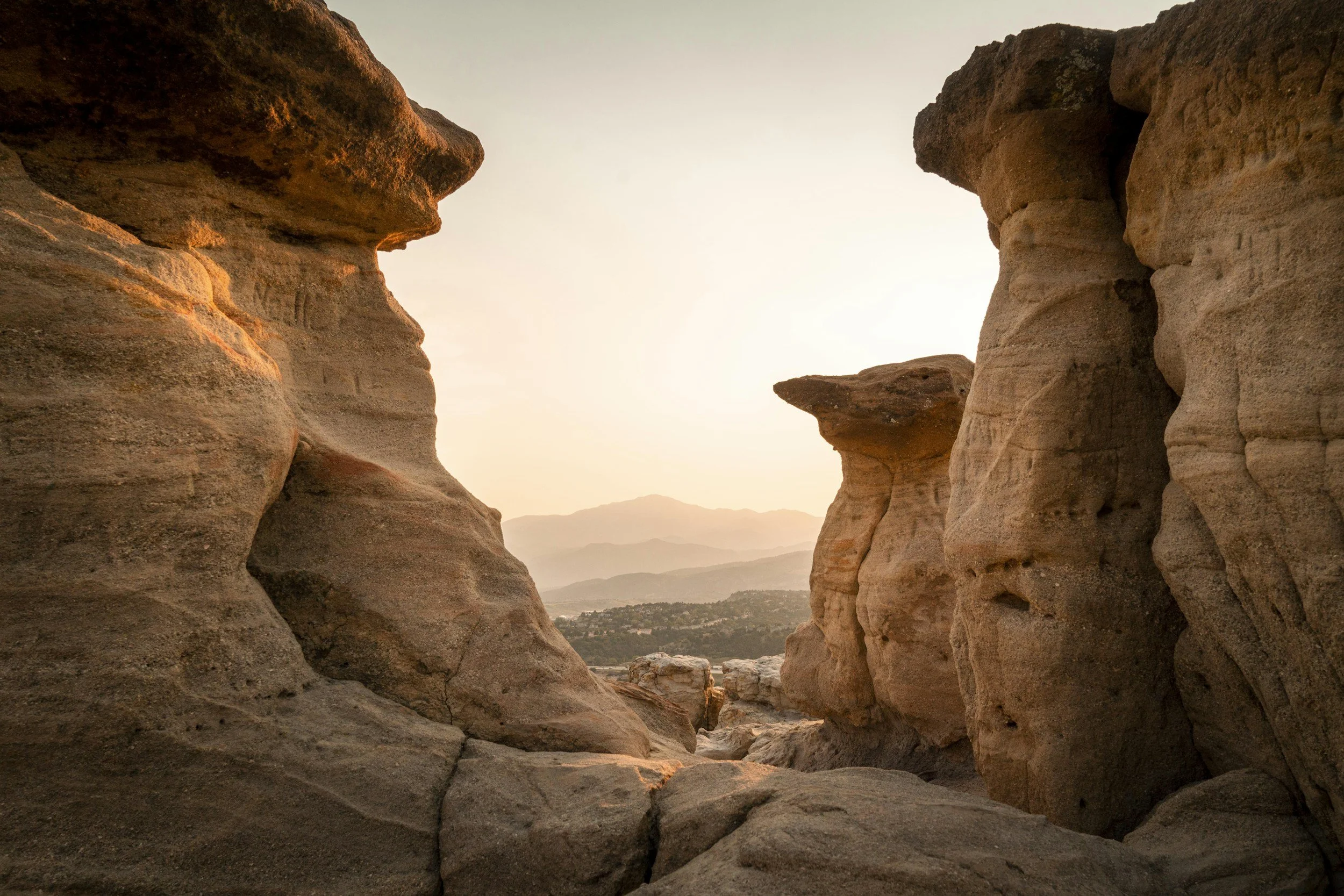
Nature exposure: Regular time in green and blue spaces—Red Rock Canyon, Garden of the Gods, Palmer Park, and nearby trails—reduces stress hormones and improves mood. Aim for short, frequent outings (20–30 minutes) if a longer hike isn’t possible.
Micro‑breaks outside: Step outside during work breaks, take deep breaths while looking at the sky, or do a brief walk around the block to reset.
Seasonal awareness: Colorado’s weather shifts quickly. Prepare for seasonal affective changes by increasing daylight exposure in winter and planning outdoor activities during milder times of day.
Build a Simple Daily Routine
Morning anchor: Start with one calm habit — 5 minutes of stretching, a short breathing exercise, or a quiet cup of coffee without screens.
Prioritize sleep: Establish a consistent bedtime and wake time. Limit screen use an hour before bed and create a relaxing pre‑sleep routine.
Movement and nutrition: Regular, moderate exercise and balanced meals stabilize mood. If you’re short on time, 10–20 minutes of movement (walk, yoga, or bodyweight routine) is beneficial.
Break up tasks: Use focused work blocks (e.g., 45–60 minutes) with short restorative breaks to reduce overwhelm.
Practice Practical Anxiety Management Techniques
Grounding exercises: Use the 5‑4‑3‑2‑1 technique or name five things you can see to shift attention from anxious thoughts to the present moment.
Box breathing: Inhale 4 seconds — hold 4 — exhale 4 — hold 4. Repeat for several cycles to calm the nervous system.
Progressive muscle relaxation: Tense and release muscle groups from toes to head to release physical tension.
Mindful movement: Combine breath with movement through walking, yoga, or Tai Chi to reduce both physical and mental tension.
Design Your Social and Work Life for Less Stress
Set boundaries: Say no to commitments that overload you. Practice concise, respectful refusals and avoid over‑explaining.
Manage notifications: Silence nonessential apps during work hours and weekends to reduce cognitive load.
Create commute strategies: If traffic increases anxiety, consider adjusted hours, carpooling, public transit options, or remote work days where possible.
Build a supportive network: Connect with friends, neighbors, or coworkers who understand your needs. Consider local groups that align with interests (outdoor clubs, volunteer organizations) for low‑pressure socializing.
Use Community Resources
Mental health care: Colorado Springs has counselors and therapists with varying specialties. If anxiety interferes with daily functioning, seek professional evaluation. Telehealth expands access if transportation or scheduling is a barrier.
Support groups and workshops: Look for local anxiety, stress management, or mindfulness groups. Community centers and clinics frequently offer low‑cost classes.
Crisis resources: Know local emergency and crisis hotlines for immediate help if you or someone you know is in danger or experiencing a mental health crisis.
Plan for Peak Stress Times
Tourist seasons and events: Anticipate busy weekends around holiday festivals, tourist months, or race events. Plan errands for weekdays or quieter times.
Weather and natural events: Prepare for snowstorms or sudden weather changes. Keep an emergency kit and a flexible plan so unexpected events don’t escalate anxiety.
Work cycles: Identify high‑pressure periods at your job and prepare with lighter schedules before and after, task delegation, or planned decompressing activities.
Cultivate Long‑Term Resilience
Develop realistic expectations: High performance and constant productivity aren’t sustainable. Allow for rest and recovery as productive parts of life.
Practice self‑compassion: Treat setbacks and anxious episodes with